
Our Pilates Apparatus
Beyond the reformer – the specialist tools our instructors use to deepen your practice, challenge your body, and accelerate your progress.
A Fully Equipped Studio
At The Old Dairy Pilates Studio near Northampton, we’ve invested in a comprehensive range of Pilates apparatus because we believe in teaching Pilates the way Joseph Pilates intended – as a complete system, not just a reformer workout.
Our instructors are APPI-qualified and trained across the full apparatus repertoire. With a maximum of 4 people per class, there’s always the opportunity to use different equipment based on what your body needs that day. Here’s what you’ll find in our studio:
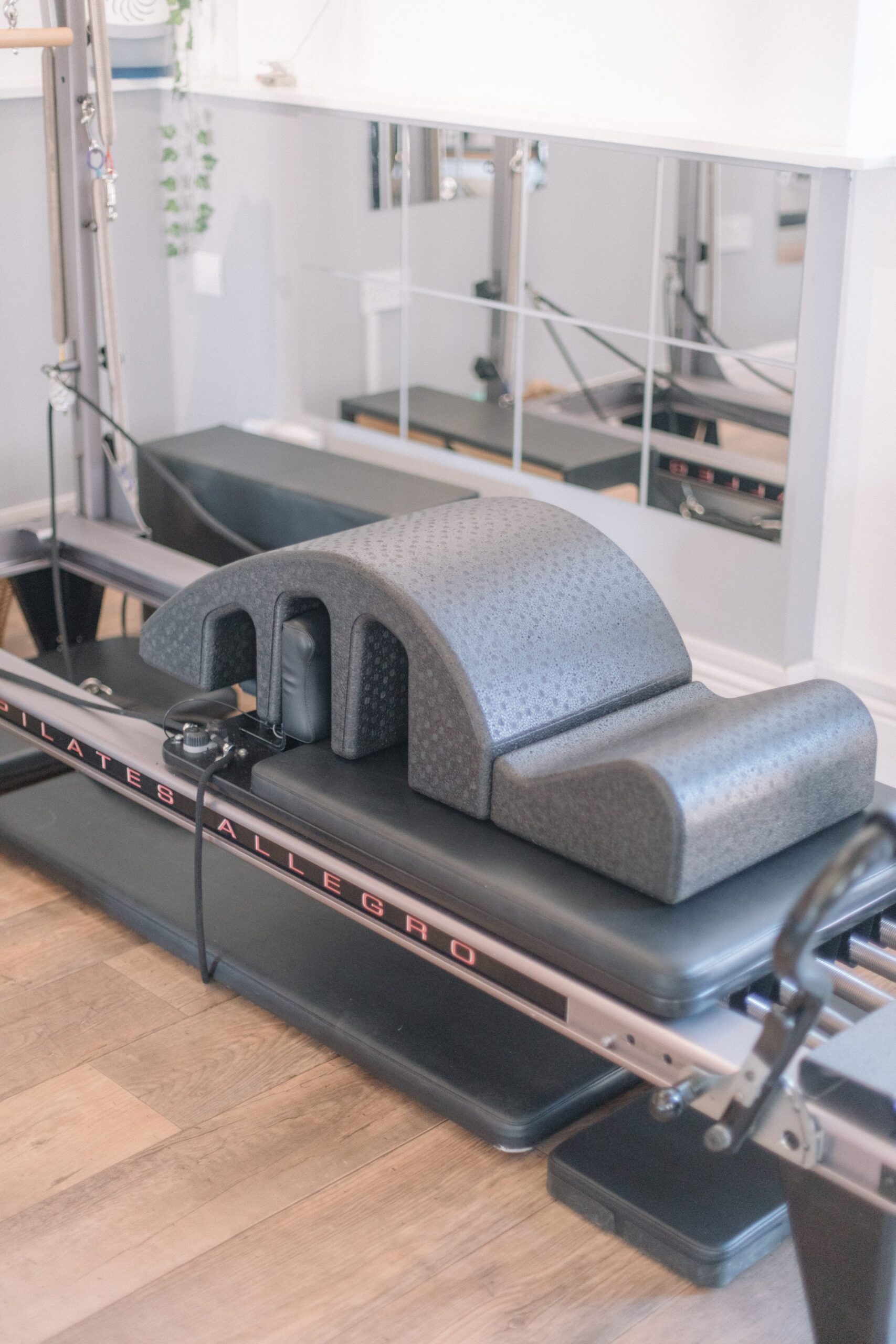
The Arch Barrel
The arch barrel (also called the spine corrector or Clara barrel, named after Joseph Pilates’ wife) is a curved, padded piece of apparatus shaped like a half-moon. It’s designed specifically for spinal extension, lateral flexion, and deep stretching.
The curve of the barrel supports your spine as you move through extension (backward bending), something most of us desperately need after hours at a desk. It also provides a surface for lateral stretches that open the ribcage and improve breathing capacity.
The barrel gives you a supported stretch that feels luxurious but is doing serious work on your spinal mobility and deep core activation.
- Desk workers with rounded shoulders and a stiff thoracic spine
- Anyone with back stiffness – the barrel supports you as you gently mobilise each vertebra
- Swimmers and runners who need better thoracic rotation and rib mobility
- Post-natal women rebuilding core and spinal strength after pregnancy
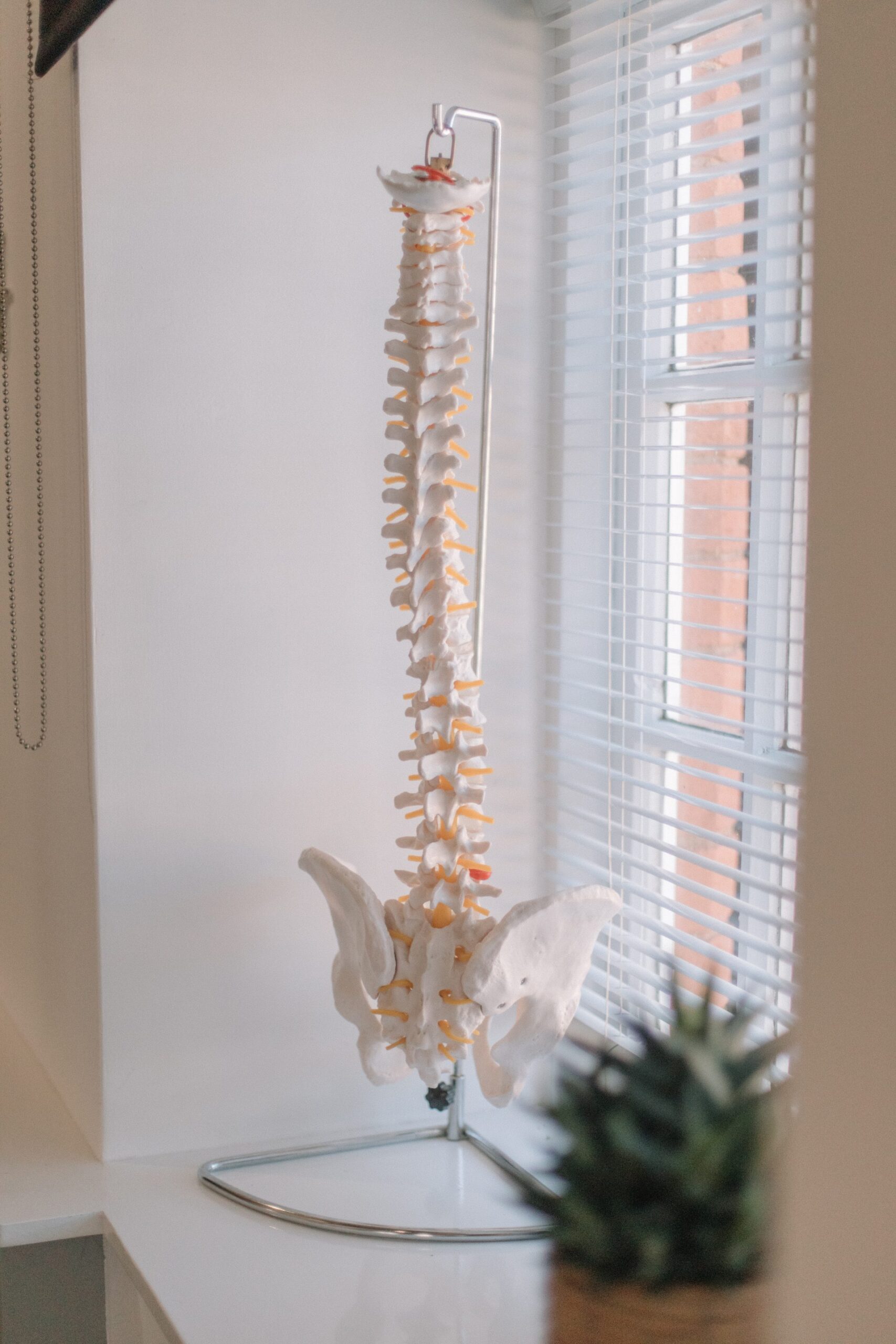
Spine Fitters
The spine fitter is a smaller, portable piece of apparatus that sits under your spine, pelvis, or shoulders to create an unstable surface. Think of it as a precision tool for spinal alignment and deep core activation.
What it does
By lying on the spine fitter, you create a slight arch that challenges your core to stabilise while you perform arm and leg movements. It’s excellent for teaching your body to find and maintain a neutral spine position – something that’s fundamental to good Pilates technique and healthy posture.
Who benefits most
- Beginners learning to find their neutral spine
- Anyone with lower back pain – the gentle arch decompresses the spine while activating deep stabilisers
- Experienced practitioners looking to add challenge to mat-based exercises
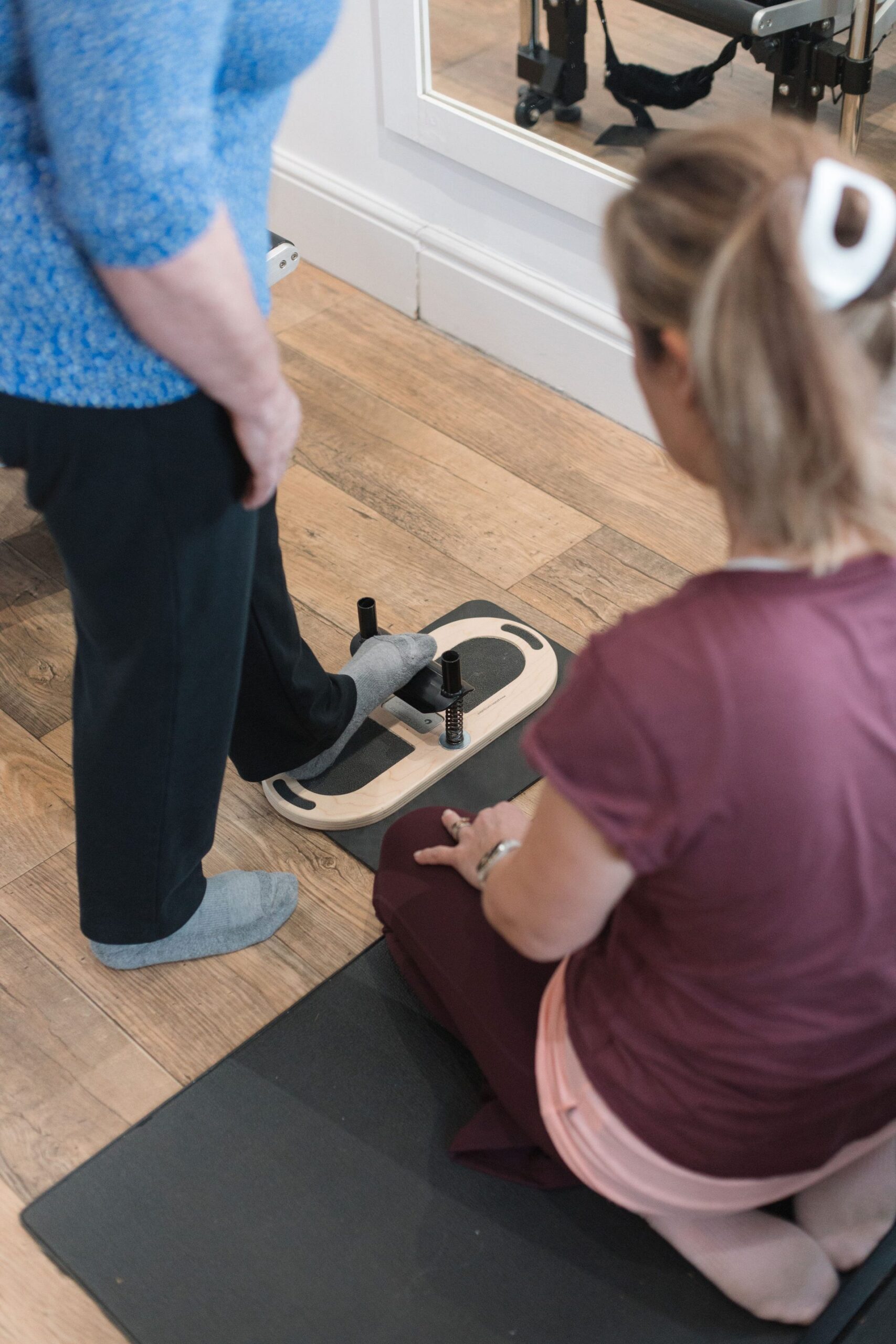
Foot Correctors
The foot corrector is a spring-loaded pedal system designed specifically for the feet. Joseph Pilates understood something that modern podiatry is only now catching up with: strong, mobile feet are the foundation of whole-body alignment.
You press the pedals with your feet, working against spring resistance to strengthen the intrinsic muscles of the foot – the small, deep muscles that support your arches, control pronation, and provide the stable base your ankles, knees, and hips depend on.
- Runners – weak foot muscles contribute to plantar fasciitis, shin splints, and knee pain
- Anyone with flat feet or fallen arches – the foot corrector rebuilds arch strength from the ground up
- Bunion sufferers – strengthening the toe abductors can slow progression and reduce pain
- Horse riders – foot and ankle stability directly affects your position in the stirrup
- Older adults – strong feet improve balance and reduce fall risk
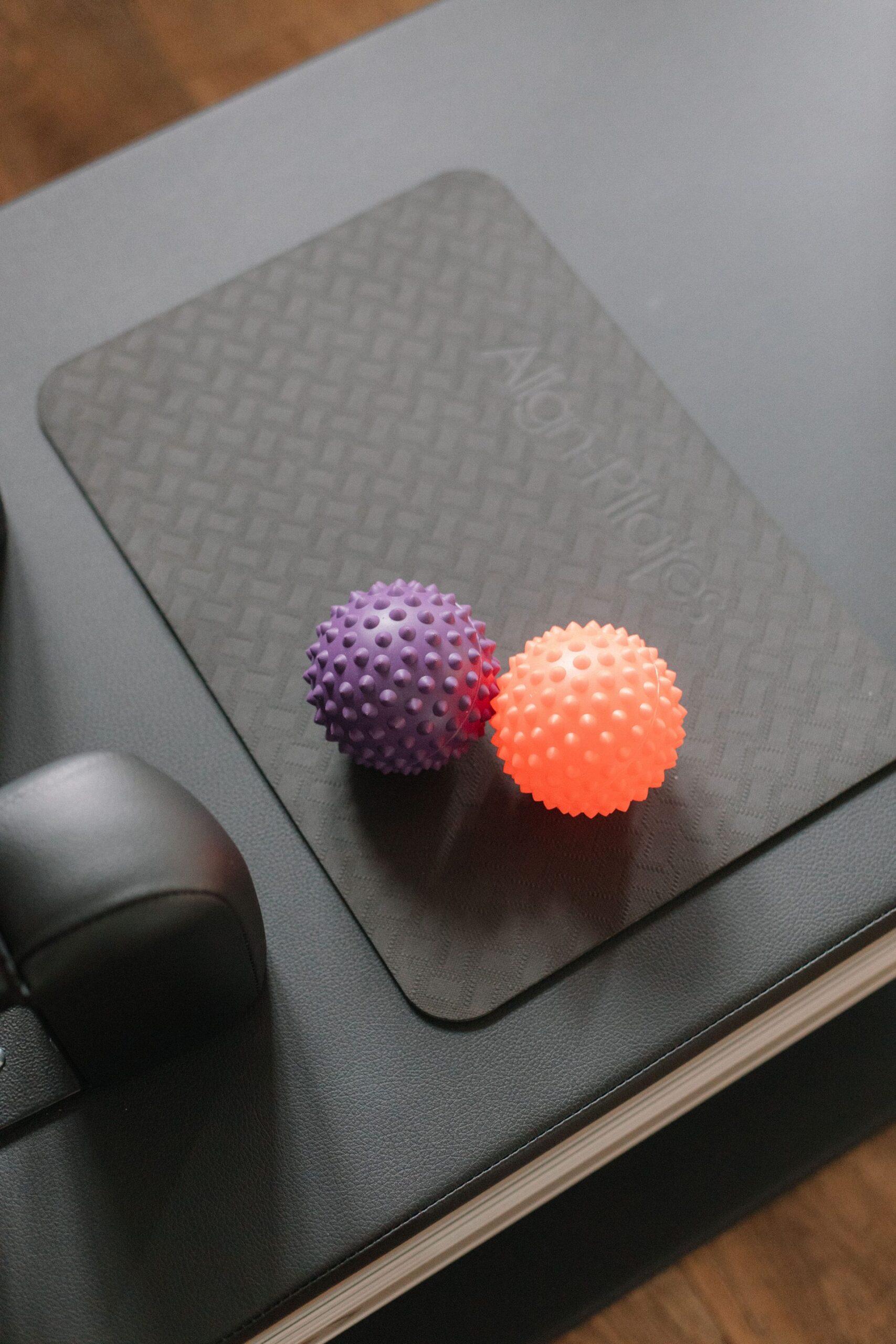
Spikey Balls
Don’t let the name put you off – spikey balls are one of the most effective self-massage and myofascial release tools available. These small, textured balls are used to release tight muscles, trigger points, and fascial restrictions.
By placing the ball under a tight area and applying gentle pressure – whether under your feet, along your spine, into your glutes, or under your shoulders – you encourage the fascia (the connective tissue that wraps every muscle) to release and rehydrate.
Our instructors often use spikey balls at the start of a session to warm up and release tension, or at the end for recovery. They’re particularly effective for:
- Plantar fascia release – rolling the ball under your foot before reformer work
- Upper back and shoulder tension – common in desk workers
- Glute and piriformis tightness – a frequent source of lower back and hip pain
- Post-exercise recovery – reducing delayed onset muscle soreness
Weighted Balls
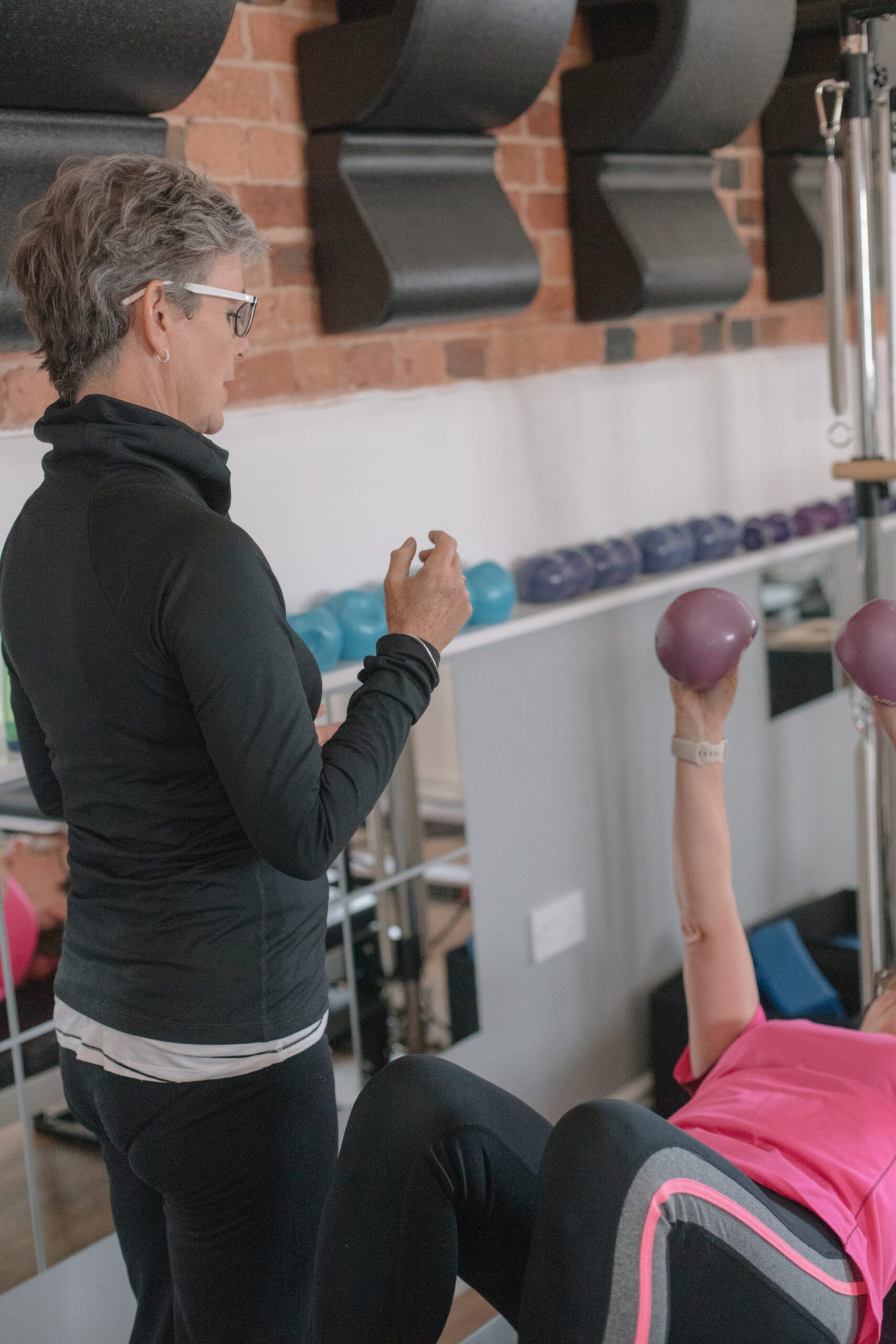
Weighted balls (sometimes called toning balls or soft weights) are small, sand-filled balls typically weighing 0.5kg to 1.5kg. They add resistance and challenge to Pilates exercises without the bulk or joint stress of traditional dumbbells.
Holding a weighted ball during arm exercises increases the demand on your shoulder stabilisers and core. Because the ball has a soft, slightly unstable grip, your hand and forearm muscles work harder than they would with a dumbbell – engaging the full kinetic chain from fingers to shoulder.
Our instructors incorporate weighted balls into reformer and mat work to:
- Increase upper body challenge without heavy loads
- Improve grip strength – important for daily function and preventing conditions like tennis elbow
- Add proprioceptive challenge – the ball’s shape requires more neuromuscular control than a handle
- Progress exercises once bodyweight alone is no longer challenging enough
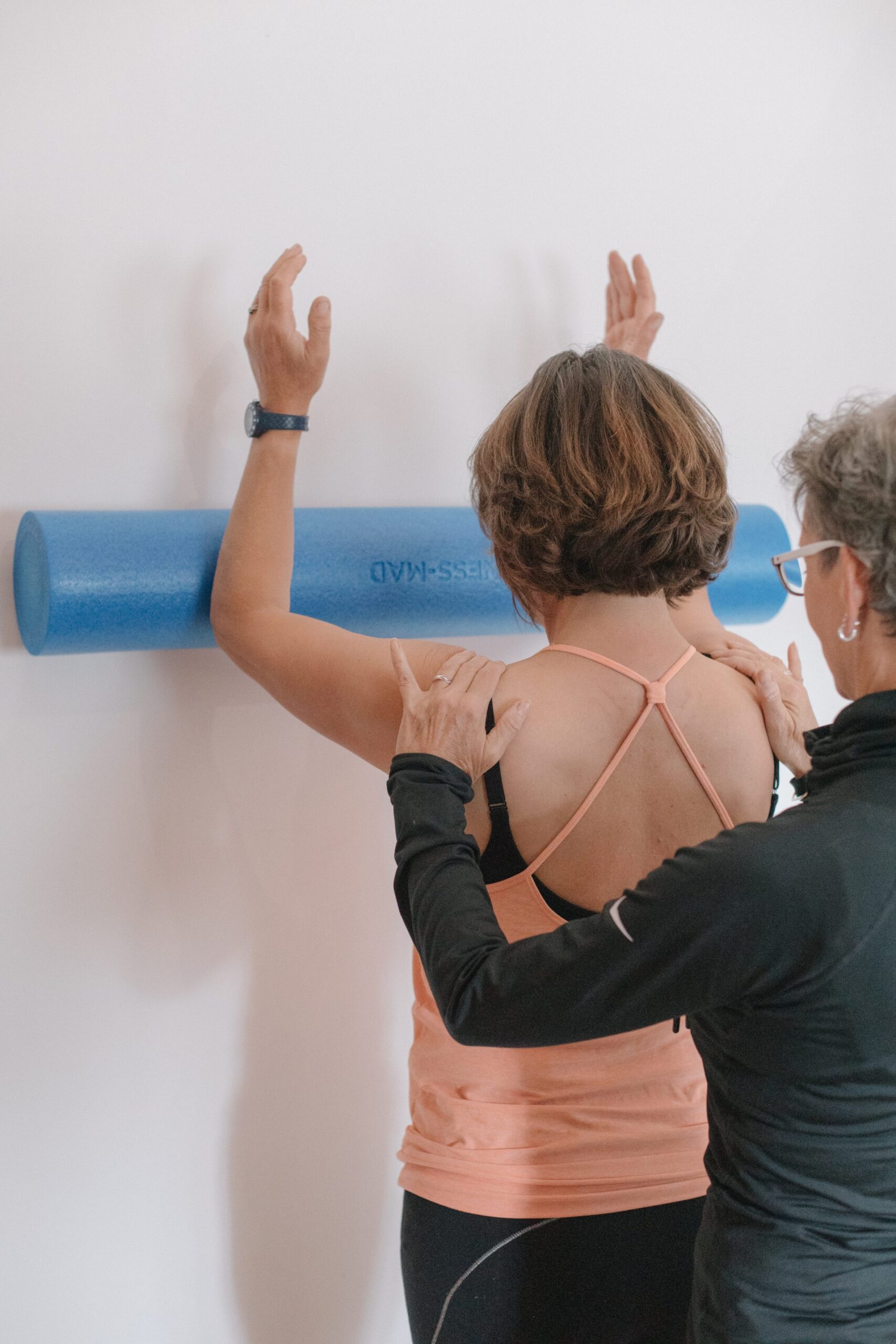
The Foam Roller
The foam roller is a cylindrical tool that’s become a staple in studios and gyms worldwide – but in Pilates, we use it very differently from the aggressive “rolling out” you might have seen elsewhere.
Lying lengthways on the roller creates an unstable surface that challenges your balance and deep core stabilisers. Every arm or leg movement you make while balancing on the roller requires your core to work overtime to keep you stable.
It’s a versatile tool that bridges the gap between mat work and apparatus work, and our instructors use it to add variety and challenge to your sessions.
- Core stability training – lying on the roller and performing arm/leg movements that challenge your balance
- Spinal mobility – lying across the roller to gently mobilise the thoracic spine
- Proprioception work – standing on the roller (with support) to challenge ankle stability and balance
- Myofascial release – gentle rolling to release tension in the IT band, calves, and upper back
Pilates Circles (Magic Circles)
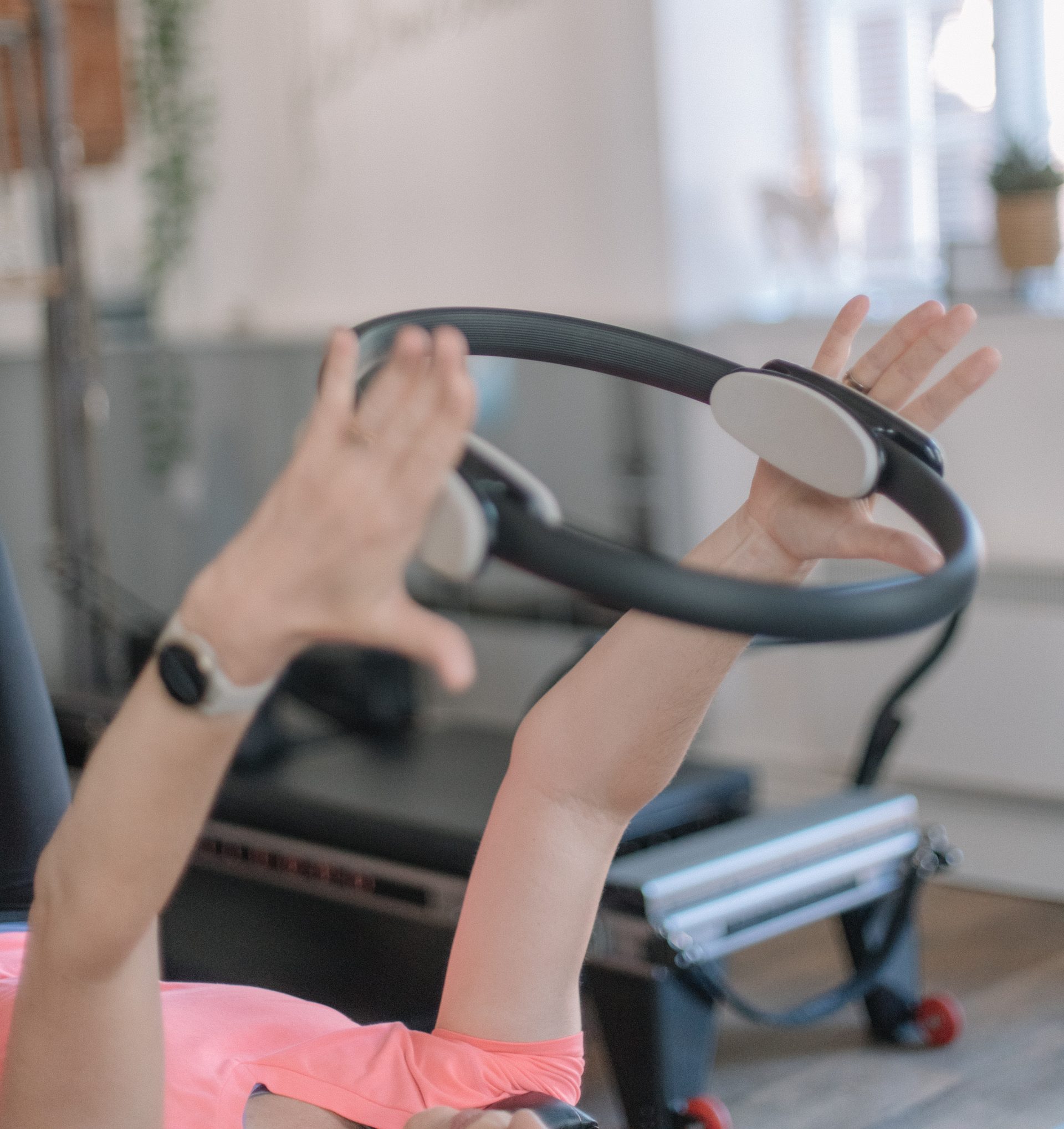
The Pilates circle – originally called the magic circle – is a flexible ring with padded handles. Joseph Pilates reportedly created the first one from the ring of a beer keg. Today’s versions are more refined, but the principle is the same: gentle, controlled resistance in every direction.
You squeeze or pull the circle between your hands, thighs, ankles, or feet, creating resistance that targets specific muscle groups. The circle is particularly effective for:
The circle is suitable for all levels. Beginners use it to learn muscle engagement patterns; advanced practitioners use it to add resistance to challenging exercises. It’s particularly popular in our classes for post-natal recovery, pelvic floor strengthening, and as a way to make familiar exercises feel completely new.
- Inner thigh (adductor) strengthening – squeezing the circle between your knees or ankles activates muscles that are chronically underused in most people
- Outer hip work – pressing outward against the circle from inside targets the hip abductors, crucial for pelvic stability
- Chest and arm toning – squeezing the circle between your hands with straight arms engages the pectorals, anterior deltoids, and triceps
- Pelvic floor activation – the adductor squeeze creates a reflexive pelvic floor contraction, making the circle valuable for pelvic floor rehabilitation
Experience Our Full Equipment Studio Near Northampton
All of this apparatus is available at The Old Dairy Pilates Studio, Lamport Manor Farm, near Northampton. Our fully equipped studio welcomes members from across Northamptonshire, including Kettering, Wellingborough, and Market Harborough. Your instructor selects the right equipment for your body and goals in every session.
How We Use Apparatus at The Old Dairy
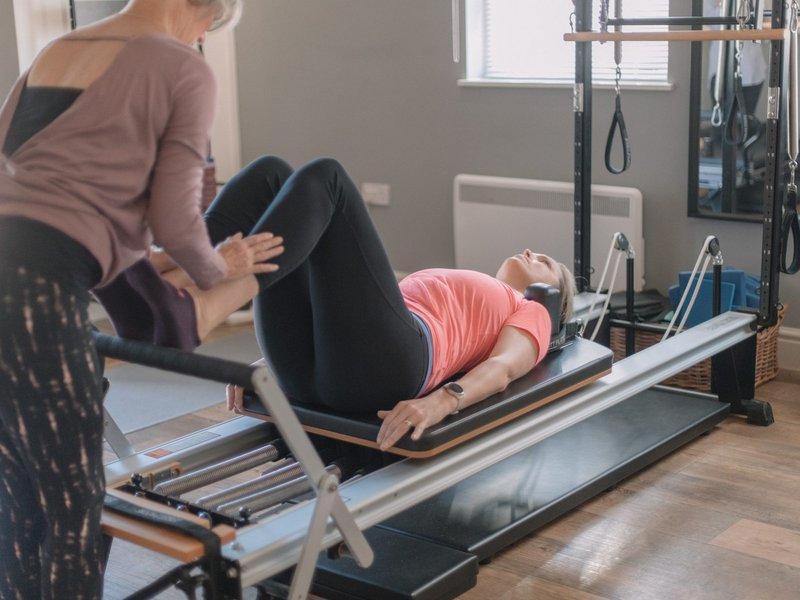
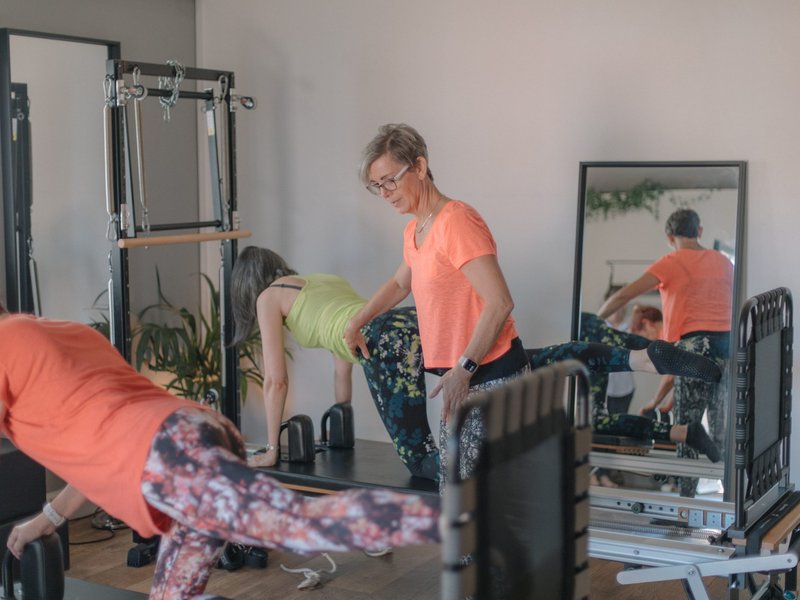
We don’t run separate classes for each piece of apparatus. Instead, our APPI-qualified instructors select the right tools for each member in each session. With a maximum of 4 people per class, you might be working on the reformer while the person next to you uses the tower and foot correctors.
This is Pilates as a complete system – not a one-size-fits-all reformer workout. It’s what sets a specialist studio apart from a gym class.
If you’re new to The Old Dairy, start with a 1-to-1 introductory session (£33). Your instructor will assess your movement, understand your goals, and create a path that gradually introduces you to the full range of apparatus in our studio.
What Our Members Say
☆☆☆☆☆
“The superb instructors guide you through the movements and equipment carefully, coaching you with precision and lots of friendly encouragement. I left feeling 10cms taller!”
– Susie Burgess
☆☆☆☆☆
“It is really nice to feel like I am not being judged or compared to other people in the class. The equipment is excellent and spotlessly clean.”
– Catherine Nightingale
Explore More at The Old Dairy
Discover the full range of what our studio offers:
Pain Relief & Rehab
Specialist 1-to-1 Cadillac sessions for back pain and rehabilitation.
Ready to Train With Professional-Grade Equipment?
Your journey with us starts with a one-to-one introductory session (£33). Your instructor will take the time to understand your goals, assess how you move, and introduce you to our studio and equipment. From there, we’ll guide you into the right classes for your body and your goals.
Call us: 07766 807184 or 07305 091041
The Old Dairy Pilates Studio • Lamport Manor Farm • Northants • NN6 9HF
Just 15 minutes from Northampton, Kettering & Market Harborough